
Once you understand how affiliate marketing works and have an idea of your niche, the next question is practical: where will you actually share your recommendations? Should you start a blog, make videos, post on social media, or build an email list?
There is no single winning answer. Each of the main affiliate marketing channels has real strengths and real drawbacks, and the right choice depends on your personality, your time, and your goals. This guide compares them honestly so you can pick one to start with.
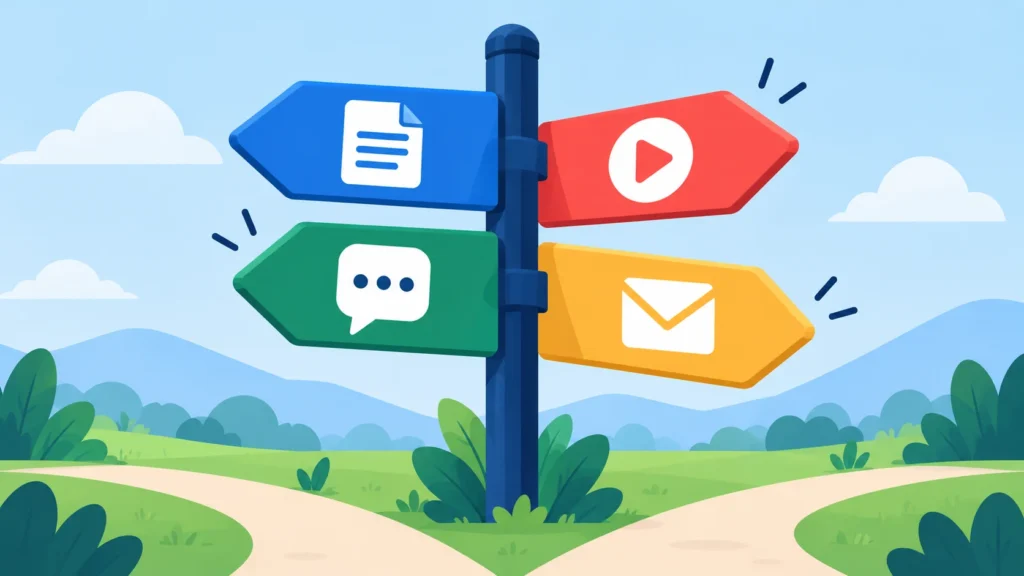
What Is an Affiliate Marketing Channel?
A channel is simply the place where you share content and recommendations with people. It’s how your audience finds you and how your affiliate links reach them. The channel you choose shapes what kind of content you create, how people discover you, and how long it takes to see results.
If you’re still working out your topic, start with our guide to choosing an affiliate marketing niche. Your niche and your channel work best when they fit each other.
Quick Comparison of the Main Channels
Here’s a simple overview before we go through each one in detail. The costs and timelines are general, and your own experience will vary.
| Channel | Best for | How people find you | Cost to start | Main challenge |
| Blog or review site | People who like writing and want a long-term asset | Search engines, plus links from other places | Low to moderate (domain and hosting) | Slow to build; results take months |
| YouTube | People comfortable on camera or with screen recording | YouTube search, suggestions, and Google results | Low (a phone or basic microphone is enough) | Video takes time to plan and edit |
| Social media | People who enjoy short posts and talking with an audience | Followers, shares, and platform recommendations | Low | You depend on the platform and its rules |
| Anyone building a direct, lasting relationship | Subscribers who signed up themselves | Low (many platforms have free plans) | You need subscribers first |
1. Blog or Review Website
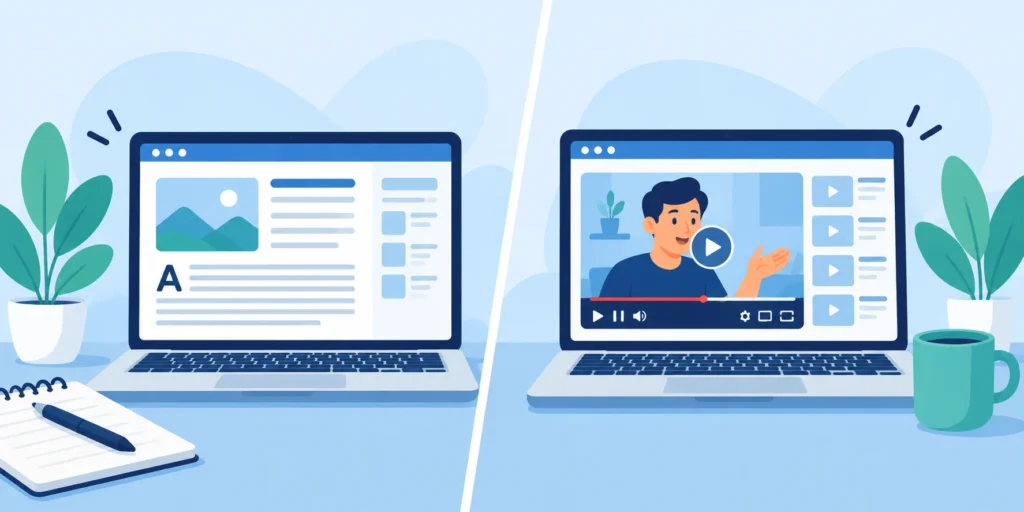
A blog or review site is where you publish written guides, comparisons, tutorials, and honest reviews. People usually find this kind of content through search engines when they’re looking for answers or deciding what to buy.
Pros
- Content can keep attracting visitors long after you publish it
- You own the platform and the audience that comes with it
- Well suited to people searching for detailed answers before they buy
- Works well alongside an email list
Cons
- Search results often take months to build
- Requires regular writing and some technical setup
- Small costs for a domain and hosting
Best for: people who enjoy writing and researching, and who are willing to play the long game.
2. YouTube
YouTube lets you show products in action through tutorials, walkthroughs, and reviews. Viewers often trust what they can see for themselves, which can make video a persuasive format when it’s honest and helpful.
Pros
- Visual demonstrations help people understand a product
- Videos can be found through YouTube search and Google over time
- You can start with very simple equipment, such as a phone and screen recording
Cons
- Planning, recording, and editing take more time per piece of content
- Growth can feel slow at the start
- Not everyone is comfortable on camera, though screen recordings and voiceovers can help
Best for: people who like explaining things out loud and showing how something works.
3. Social Media
Social platforms let you share short posts, images, and videos, and talk directly with your audience. They can be a good way to start conversations and learn what people actually care about.
Pros
- Easy to start with a low upfront cost
- Direct interaction helps you understand your audience
- Short content is quick to create
Cons
- You depend on the platform’s rules and algorithms, which can change
- Posts tend to have a short lifespan
- Each platform has its own policies on affiliate links and disclosure
Best for: people who enjoy regular posting and conversation, and who want to test ideas quickly.
4. Email Marketing
Email lets you communicate directly with people who have chosen to hear from you. Because subscribers opted in, it tends to be a more personal and lasting relationship than a passing visit to a page.
Pros
- You own the list, so you don’t depend on an algorithm
- Lets you build trust over time with helpful messages
- Many platforms offer free or low-cost plans to start
Cons
- You need a way to attract subscribers first, so it works best alongside another channel
- Requires consistent, valuable messages rather than constant selling
- You must follow email and privacy rules, including honoring unsubscribe requests
Best for: people who want to build long-term relationships and have a reason for people to subscribe, such as a free guide.
How to Choose the Right Channel for You
Ask yourself a few honest questions:
- What do I enjoy doing? You’ll be creating content for months, so choose a format you don’t dread.
- How much time can I give each week? Video takes longer per piece than a short social post.
- How soon do I need feedback? Social media gives quicker signals. Search-based channels take longer.
- Where does my audience already spend time? Meet people where they are rather than where you assume they are.
- Do I want to own what I build? A blog and an email list are assets you control. Social platforms are rented space.
Why Starting With One Channel Works Better
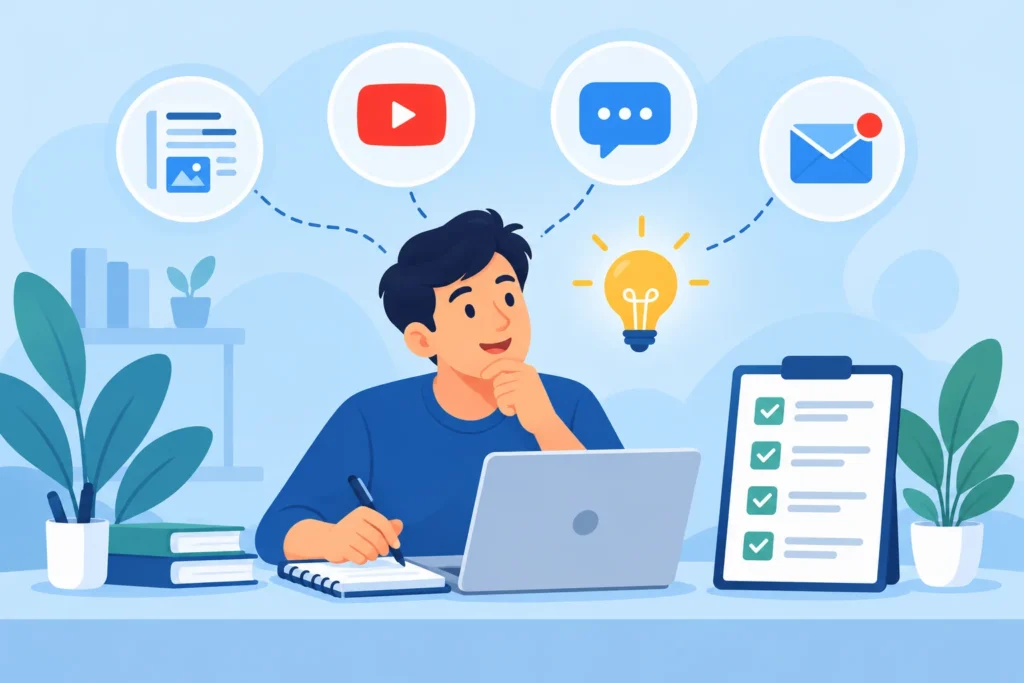
It’s tempting to be everywhere at once. In practice, spreading yourself across four platforms usually leads to thin content and burnout. Pick one channel, learn it properly, and build a routine you can keep up.
Once it’s working, you can add another. Many affiliates eventually combine channels, for example a blog that feeds an email list, or videos that point to a helpful guide. A strong first channel makes the second one easier.
Rules That Apply to Every Channel
- Disclose affiliate links clearly. Say plainly that you may earn a commission, in a place people will see it.
- Read the affiliate program’s terms before promoting. Some limit where and how you can share links.
- Follow each platform’s own rules on links and promotions.
- Focus on being helpful first. Recommendations land better when people trust you.
- Be realistic. Results take time, and no channel guarantees income.
You can read more in our affiliate disclosure.
Your Next Steps
- Choose one channel that fits your strengths and schedule.
- Set up the simple tools you need, using our guide to affiliate marketing tools and setup.
- Learn how to choose programs carefully with our guide to the best affiliate programs for beginners.
- Explore ways to bring visitors to your content in our traffic sources guide.
- Follow the full beginner roadmap on our Start Here page.
Frequently Asked Questions
What are the main affiliate marketing channels?
The most common ones for beginners are a blog or review site, YouTube, social media, and email. Others include podcasts and paid advertising.
Which affiliate marketing channel is best for beginners?
There’s no single best one. Choose the channel that matches what you enjoy doing and the time you can commit. Many beginners start with whichever format they can keep up consistently.
Can I do affiliate marketing without a website?
Yes. Social media, YouTube, and email can all be used without a website, depending on the program’s rules. A website can still be a valuable long-term asset.
Should I use more than one channel?
Eventually it can help, but most beginners do better by mastering one first and adding another later.
Which channel gives the fastest results?
Social media often gives quicker feedback, while blogs and video can take longer to build. Speed of results varies and nothing is guaranteed.
Do I need to disclose affiliate links on social media?
Yes. Disclose clearly wherever you share affiliate links, and follow the platform’s own rules as well.
Is email marketing still worth it?
For many affiliates, yes. It gives you a direct line to people who asked to hear from you, which doesn’t depend on a platform’s algorithm.
Final Thoughts
The best affiliate marketing channel is the one you’ll actually keep using. Pick a format that suits your strengths, commit to it long enough to learn from it, and focus on being genuinely helpful. Start with one, build a steady habit, and expand when you’re ready.
Affiliate disclosure: AffiliateForSuccess may earn a commission when you buy through links on this site, at no extra cost to you. We aim to give honest recommendations so you can make your own informed decisions.